
ข่าว

There's no way of sugar-coating it: the COVID-19 pandemic is having a catastrophic effect on our livelihoods with jobs, family milestones and day-to-day routine under threat. Throw in government regulations instructing us to stay home and we're having to adapt to a stranger (and potentially lonelier) world. Having arrived back in Sydney just shy of two hours before the Australian borders closed after a brief trip home to the UK, I was ordered to self-isolate for two weeks. With the office shut for the foreseeable and a knack for working from the kitchen/dining room table/bed, I didn't think I would mind the solitude (I believed I might even relish it) - but going day-after-day without seeing a soul soon took its toll on my mental health. You'd think that holding everyone's social plans under quarantine would ease the all-too-recognisable tinge of FOMO but it only struck harder with friends showcasing their freshly-baked banana bread on Instagram whilst isolating families whipped out old fashioned board games to pass the time. RELATED: Online Courses And Apps To Help You Learn A New Skill In Quarantine It's important to highlight that not everyone is thriving (let alone, enjoying) isolation. The reality is that many of us are far from home, bunking with housemates or obeying social distancing laws without a pal to turn to. "There are many Australians who are already suffering from loneliness and self-isolation so the pandemic will only compound that," Nick Tebbey, National Executive Officer for mental health organisation Relationships Australia, told marie claire. "When you combine the requirements with the uncertainly around how long this will last for and whether or not we've seen the most stringent of requirements yet, there is an awful lot of stress and anxiety. We will definitely see consequences to people's mental health and wellbeing as a result of that." So with our 'old lives' dangling frighteningly out of reach for an unimaginable timeframe, how can we navigate the blurred line between loneliness and solitude? Follow a daily routine It's all too tempting to bury our head beneath the covers after a quick scroll of the morning headlines but creating a daily routine (and getting dressed) will trick your brain into thinking it's just another day. "We might not be able to control what's happening outside but we can control what's happening in our house," Tebbey stresses. "Plan to get up at a certain time and maybe incorporate some exercise into your schedule before work. A daily routine makes it easier to cope with all of the uncertainty that's surrounding us."
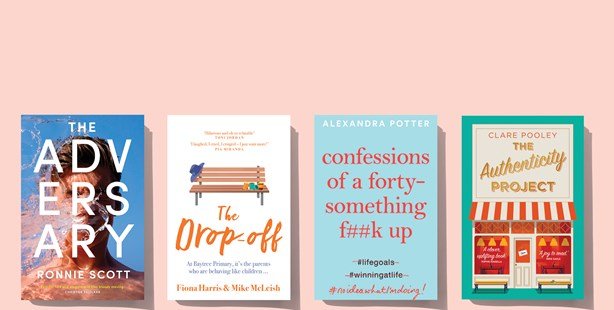
We've rounded up four of the best Laugh Out Loud Literature (LOLL - yes its a thing) novels we can find.
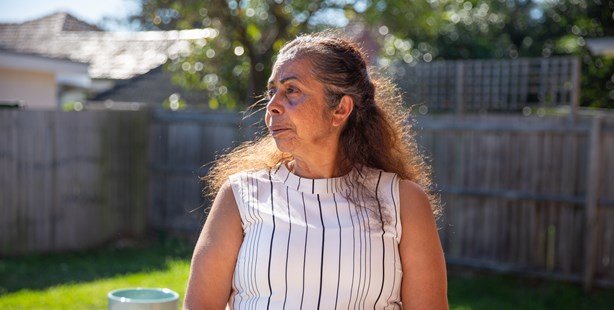
In another week filled with coronavirus clichés, “COVID-19 doesn’t discriminate” has become something of a catchcry. Tom Hanks got it, Prince Charles beat it, and British Prime Minister Boris Johnson is recovering from it, having just been released from intensive care. And yet despite this smattering of headline-grabbing, high-profile cases, history tells us that pandemics do indeed discriminate. During the Spanish Flu of 1919, Australia’s Aboriginal and Torres Strait Islander families accounted for 30 per cent of the death toll in Queensland. When swine flu hit in 2009, Indigenous people made up 11 per cent of cases nationally (despite only representing 3 per cent of the population) and their fatality rate was six times higher than that of non-Indigenous citizens. Now, as coronavirus spreads across the country, fears for First Nations people are at an all-time high. In the words of Pat Turner, CEO of National Aboriginal Community Controlled Health Organisation (NACCHO): “I can’t be any blunter. If COVID-19 gets into our communities, we are gone.”
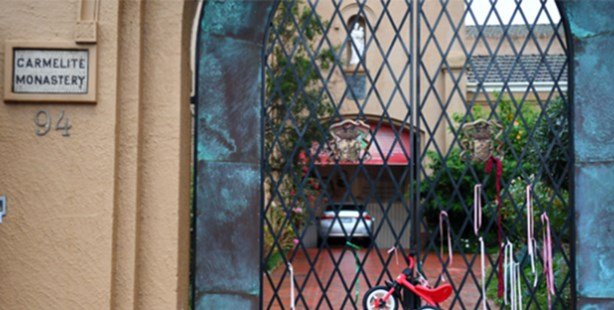
Write about something you know. If When news broke yesterday that the High Court had overturned Cardinal George Pell’s child sexual abuse convictions, our hearts went out to the survivor who bravely testified against Pell. Now, the survivor – a former choirboy known as Witness J – has released a statement saying he is relieved the court process is over.don’t know much about a specific topic that will interest your readers, invite an expert to write about it.